
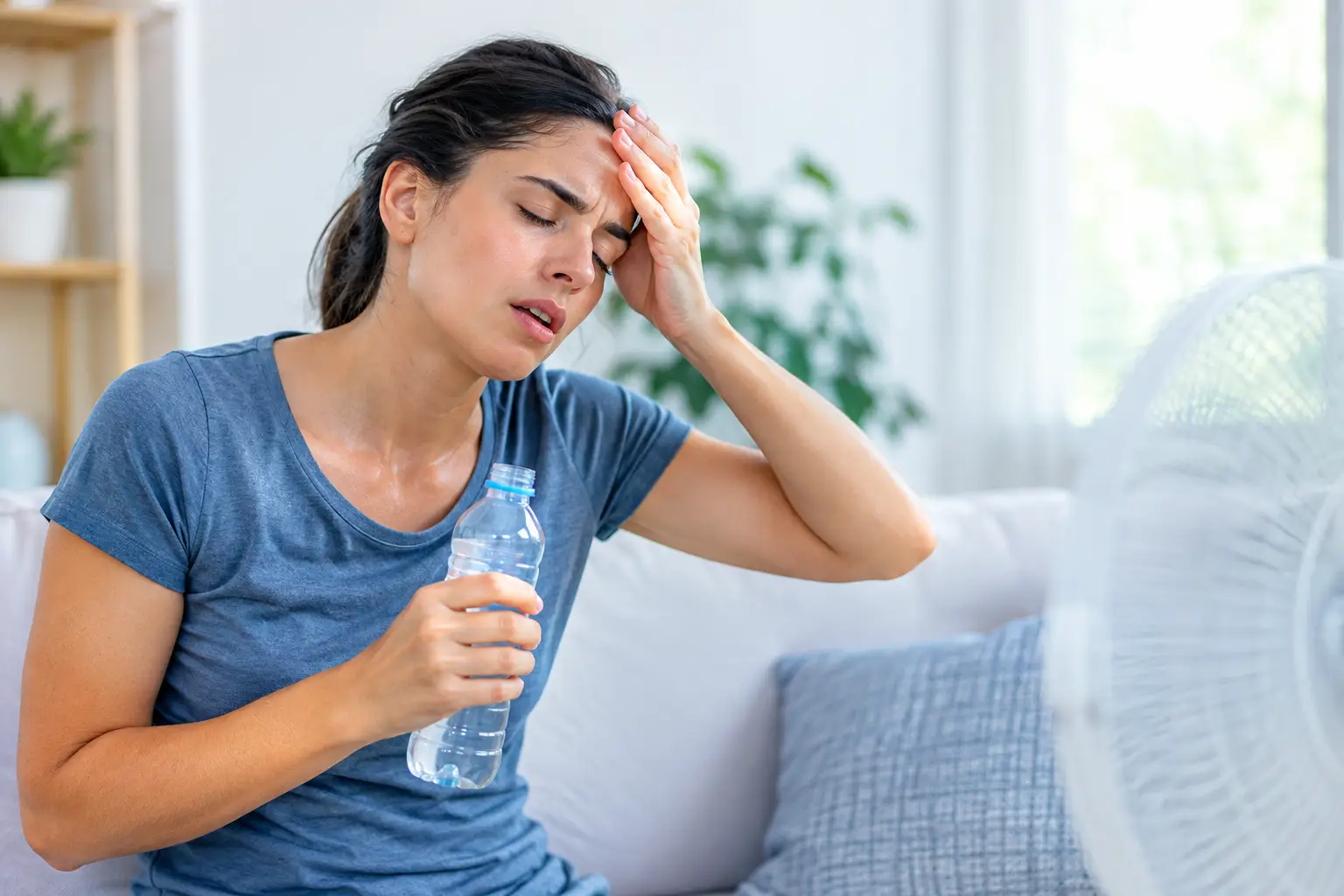
A hot afternoon at the Acropolis, a long walk through Plaka, or hours beside the sea can turn serious faster than many visitors expect. Knowing the sunstroke warning signs can help you act before heat illness becomes life-threatening, especially when you are away from home, dehydrated, or unsure where to get medical help in Athens.
Sunstroke is the everyday term often used for heatstroke. It happens when the body can no longer control its temperature, usually after heat exposure, physical activity, dehydration, or a combination of all three. This is a medical emergency. Do not wait for symptoms to “pass” if someone appears confused, collapses, or becomes dangerously hot.
The sunstroke warning signs that require urgent action
The most concerning sign is a change in mental state. A person with heatstroke may seem confused, disorientated, unusually irritable, drowsy, or unable to answer simple questions. They may stumble, slur their words, faint, have a seizure, or lose consciousness. These are not symptoms to monitor at leisure in a hotel room.
Other warning signs include very hot skin, a body temperature of 40°C or above if you can measure it, a pounding headache, nausea or vomiting, rapid breathing, a fast pulse, and severe weakness. Skin may be dry and flushed, but it can also be sweaty, particularly when heatstroke follows strenuous walking, sport, or exercise. Do not use sweating or the lack of it as the deciding factor.
Call emergency services on 112 immediately if there is confusion, collapse, a seizure, loss of consciousness, or worsening symptoms. While help is on the way, move the person out of the heat and begin cooling them. The priority is urgent assessment and reducing body temperature, not completing a sightseeing plan or arranging transport later.
What to do while you wait for help
Bring the person into air conditioning or deep shade. Remove excess clothing and cool the skin with cool water, wet towels, a shower, or a spray bottle. Fan them continuously if possible. Cold packs wrapped in cloth can be placed at the neck, armpits, and groin, where large blood vessels are close to the skin.
If they are fully awake, able to swallow, and not vomiting, offer small sips of cool water. Do not force drinks, and do not give fluids to anyone who is confused, very drowsy, having a seizure, or unconscious. Avoid alcohol and caffeine, which can worsen dehydration.
Do not leave the person alone. Keep checking whether they are alert and breathing normally. If they become unresponsive or have a seizure, tell the emergency dispatcher straight away and follow their instructions. Do not drive someone with severe symptoms to a clinic yourself if an ambulance is needed.
Heat exhaustion or sunstroke: the difference matters
Heat exhaustion is also serious, but it does not usually involve the brain and nervous system in the same way as heatstroke. It commonly causes heavy sweating, thirst, dizziness, fatigue, muscle cramps, headache, nausea, and cool or clammy skin. Someone may feel faint after walking uphill in Athens at midday, standing in a queue, or spending hours on a boat without enough water.
Heat exhaustion can progress to heatstroke if the person remains hot and dehydrated. Stop activity immediately, move into a cool place, loosen clothing, cool the body, and drink fluids slowly if they are alert. If symptoms do not improve promptly, if vomiting prevents drinking, or if there is any confusion, seek urgent medical assessment.
There is no safe shortcut here. A young, fit traveller can develop heatstroke, while an older person may deteriorate indoors in an overheated flat. The risk depends on heat, humidity, activity, alcohol intake, existing health conditions, medicines, and how well the body has adapted to the temperature.
Who needs extra caution in Athens heat?
Children, older adults, pregnant people, and people with heart, kidney, lung, or neurological conditions should take early symptoms seriously. So should anyone taking medicines that affect sweating, hydration, blood pressure, or alertness. If you take regular medication, do not stop it suddenly because of hot weather. Speak to a doctor or pharmacist about practical precautions instead.
Visitors are often at higher risk during their first days in Athens. Jet lag, a disrupted routine, unfamiliar walking distances, alcohol, and the desire to fit everything into a short holiday can all lead to missed meals and inadequate fluids. Dark clothing, crowded transport, and direct sun on exposed sites can add to the strain.
Pay particular attention if someone has had diarrhoea, vomiting, fever, or a hangover. They may already be dehydrated before stepping outside. In that situation, even a normal sightseeing day can become too much.
When a same-day doctor is the right choice
Not every heat-related illness requires an ambulance, but it may still need medical care the same day. Arrange prompt assessment for persistent vomiting, severe headache, ongoing dizziness, marked weakness, chest discomfort, fainting that has resolved, reduced urination, or symptoms that return after cooling and drinking.
A clinician can assess hydration, temperature, blood pressure, heart rate, and other possible causes of the symptoms. Diagnostic testing may be appropriate when dehydration is significant or when there are concerns about infection, heart problems, or complications from an existing condition. Treatment may include advice on safe rehydration, prescriptions where clinically indicated, and referral to hospital if more intensive care is needed.
For travellers who are too unwell to navigate an unfamiliar city, HOMED Clinic provides English-speaking walk-in consultations, hotel visits, home visits and telemedicine, with diagnostic testing, prescriptions, and coordination with private hospitals when required. The practical choice depends on the severity of symptoms: suspected heatstroke needs emergency services, while stable but persistent symptoms may be suitable for urgent same-day medical review.
Prevent heat illness before it interrupts your trip
Plan outdoor activities for the morning or later evening when possible. In the strongest afternoon heat, choose museums, cafés, shaded streets, or time back at your hotel. Carry water, but remember that drinking only once you feel severely thirsty is often too late for a long, active day.
Eat regular meals, wear loose and light-coloured clothing, use a hat, and take breaks in air-conditioned spaces. If you are exercising, reduce intensity rather than trying to maintain your usual pace. Acclimatisation takes time, and the sensible plan on day one may feel less restrictive by day four.
Alcohol deserves special caution. A drink in the sun can make it easier to overlook dehydration and early fatigue. Alternate alcoholic drinks with water, avoid drinking heavily before a hot day, and never assume an energy drink is an adequate substitute for fluids, food, or rest.
Frequently asked questions
Can sunstroke happen without direct sun?
Yes. Heatstroke can develop in direct sunshine, but it can also occur in a hot room, a poorly ventilated vehicle, or during intense exercise in high temperatures. “Sunstroke” is a familiar term, but the danger is overheating, not sunlight alone.
Should I give someone salt tablets for heat illness?
Do not use salt tablets as a first response unless a clinician has specifically advised them for that person. For mild heat exhaustion, cool fluids and rest are usually more appropriate. Severe symptoms need urgent medical assessment, not self-treatment with supplements.
How quickly should symptoms improve after cooling?
Mild heat exhaustion should begin improving with rest, cooling, and fluids. There is no fixed safe time to wait if symptoms are severe, if the person is vomiting, or if they seem confused. Any altered behaviour or reduced consciousness means emergency help is needed now.
A hot day in Athens should not become a medical crisis. If someone seems unusually unwell, stop, cool them down, and choose caution early – getting the right help quickly is far easier than recovering from a preventable emergency.